Casa Cortés: Our Story

↓

Mezcal Is a Living Expression
of Its People, Landscape, and History.

Explore the artisanal process, communities, and knowledge behind each of our mezcals.

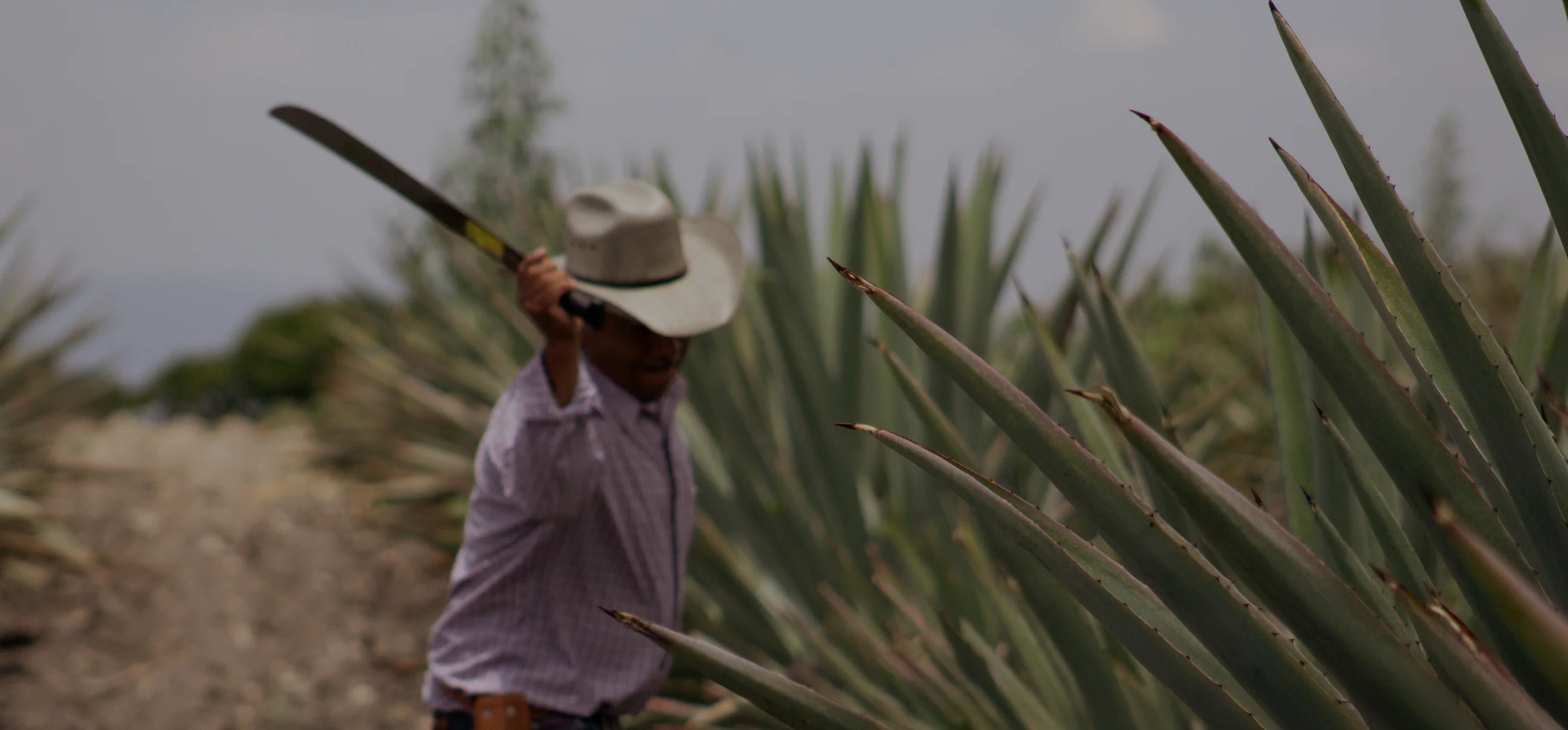
Corte del maguey en Oaxaca

Process of Mezcal

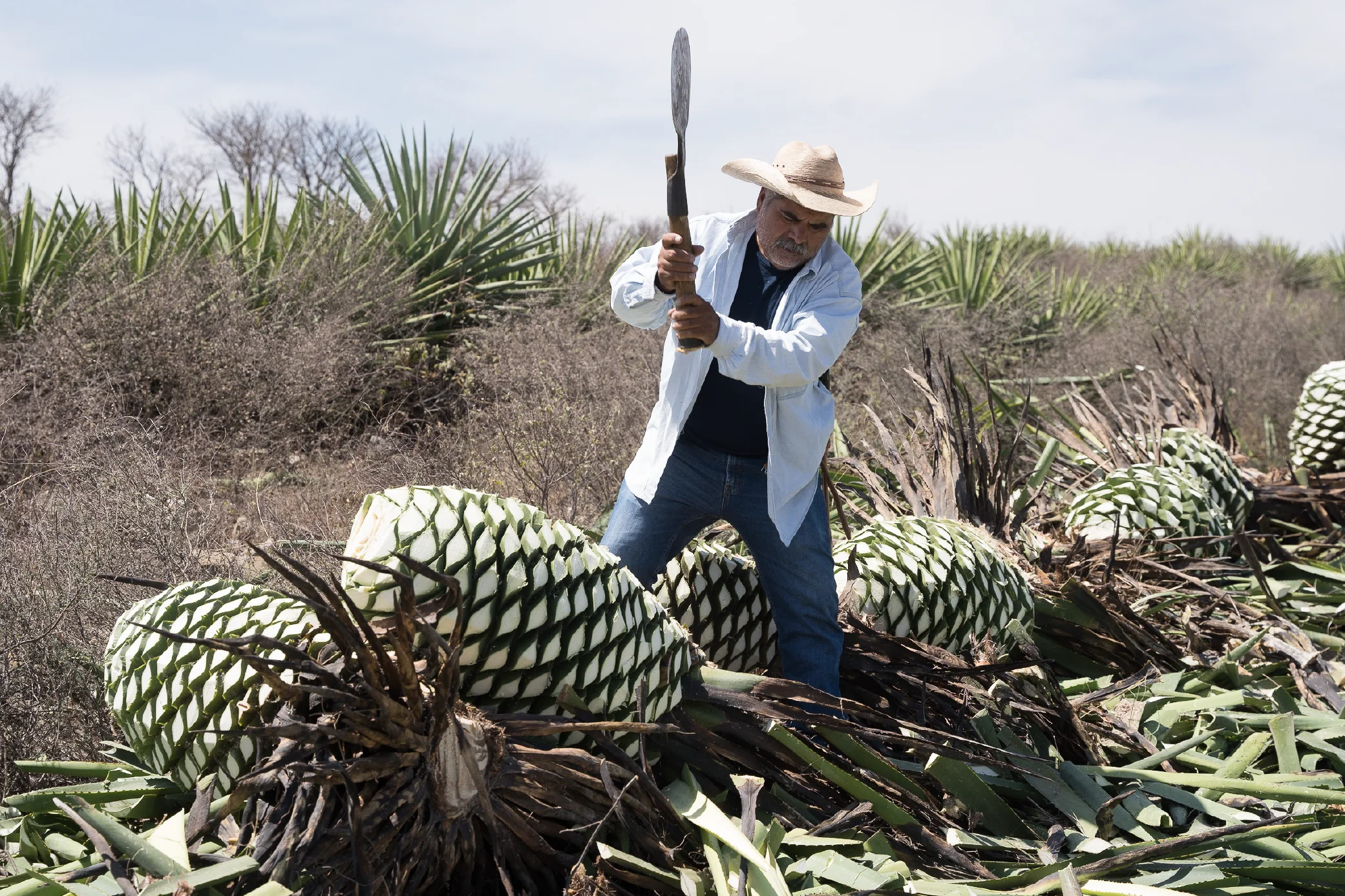
Cosecha de maguey con coa

Discovering Our Origins

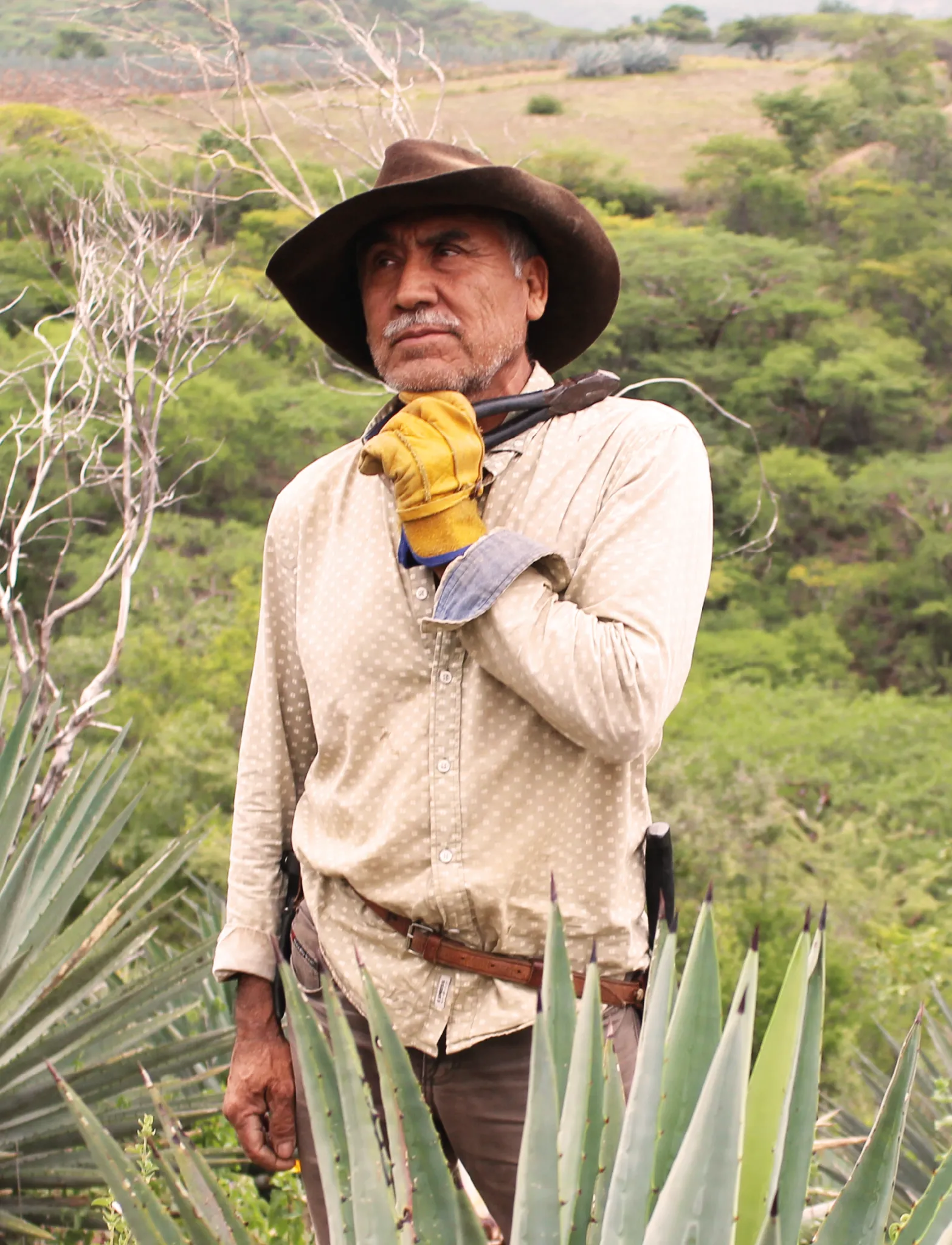
Agave matures slowly. Depending on the species, it can take up to 25 years to reach its ideal maturity. At that moment, master mezcal makers harvest it with a coa, carefully removing the leaves to reveal the heart, or piña.

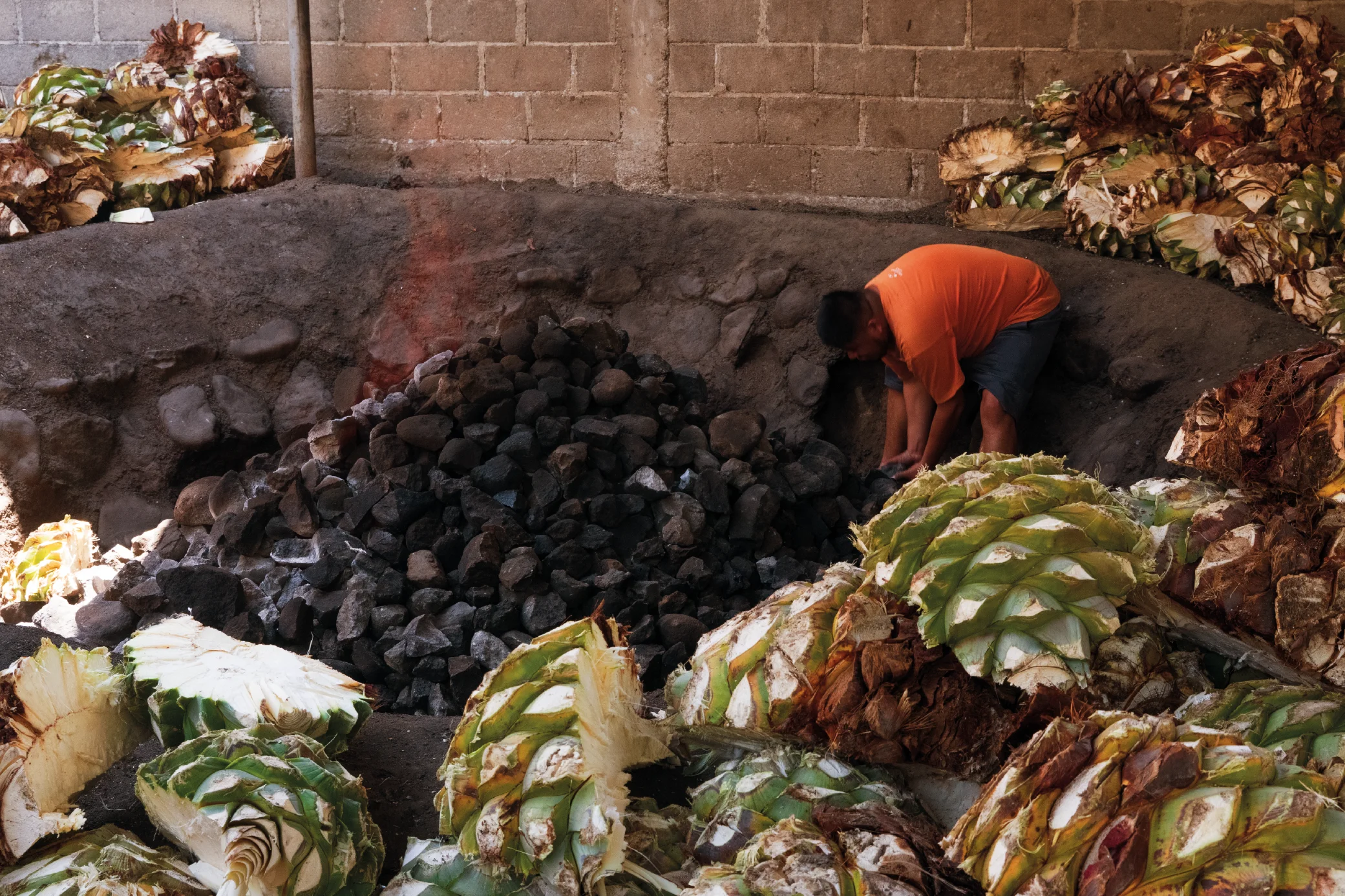
Cocción de piñas de maguey en horno cónico

Patience Through Fire

The agave hearts are cut by hand into halves or smaller pieces, depending on their size. They are then placed in a conical underground oven lined with volcanic stone and covered with earth and natural materials, allowing them to cook slowly and evenly for four to five days.
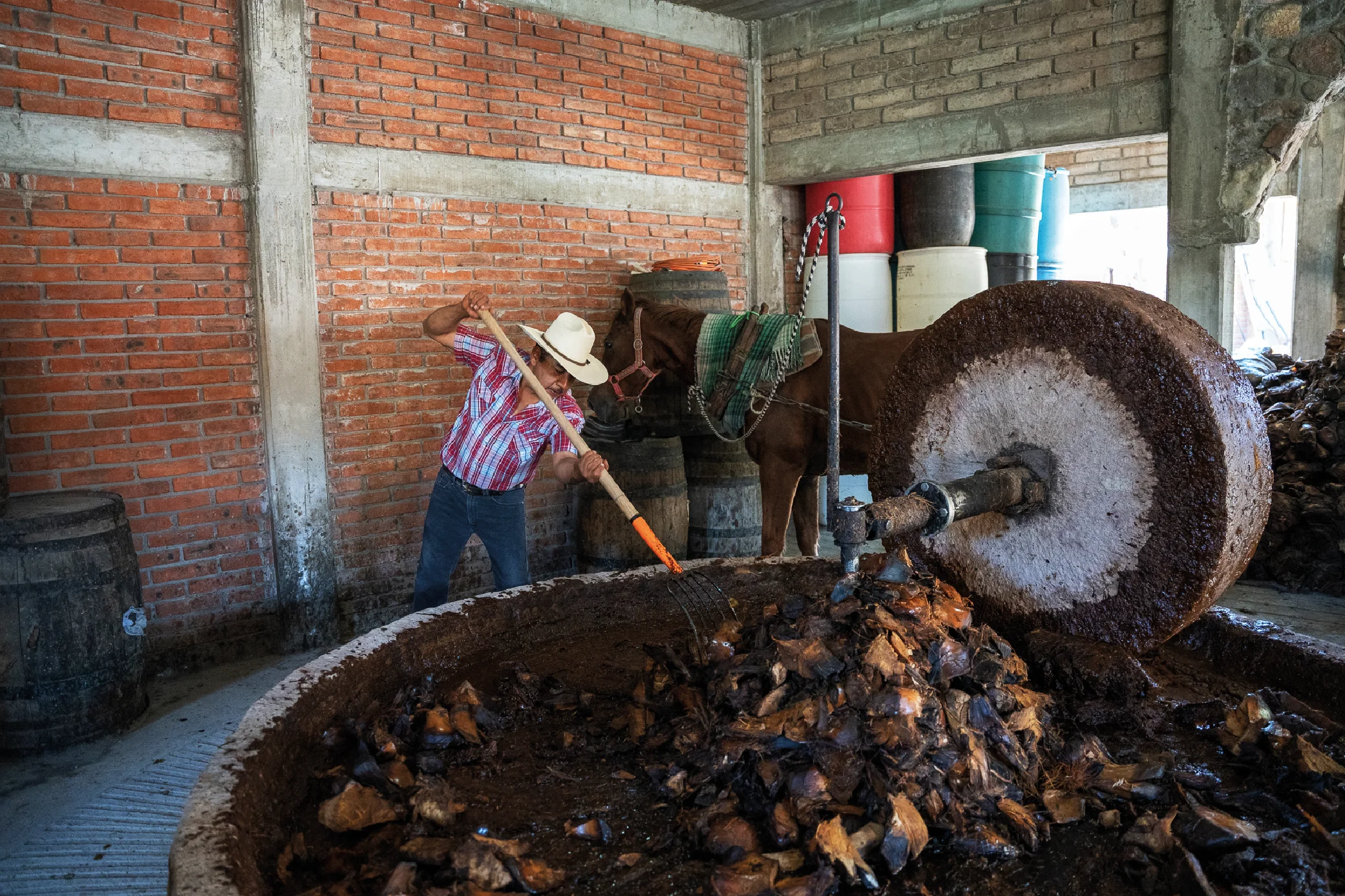
Molienda de maguey con tahona

Transforming the Agave Heart

Once cooked, the agave hearts are crushed to release their juices and fibers. In ancestral mezcal production, they may be pounded by hand with a wooden mallet in a trough; in artisanal production, a volcanic-stone tahona mill is used.
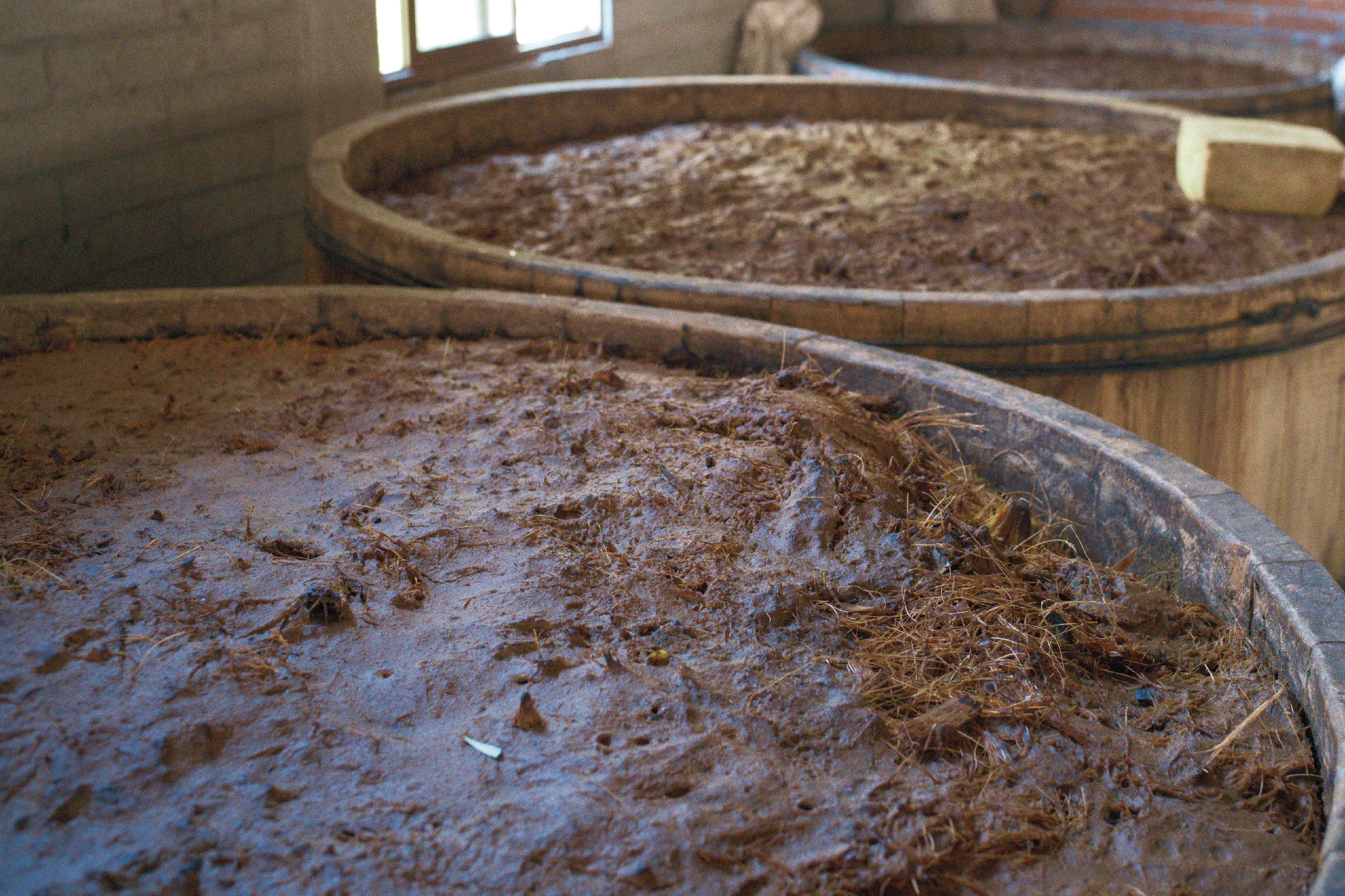
Fermentación de maguey en tinas de madera

Time and Tradition

The resulting mixture ferments for three to four days in open-air wooden vats. Time and natural elements transform its sugars, developing the aromas and flavors that will emerge through distillation.
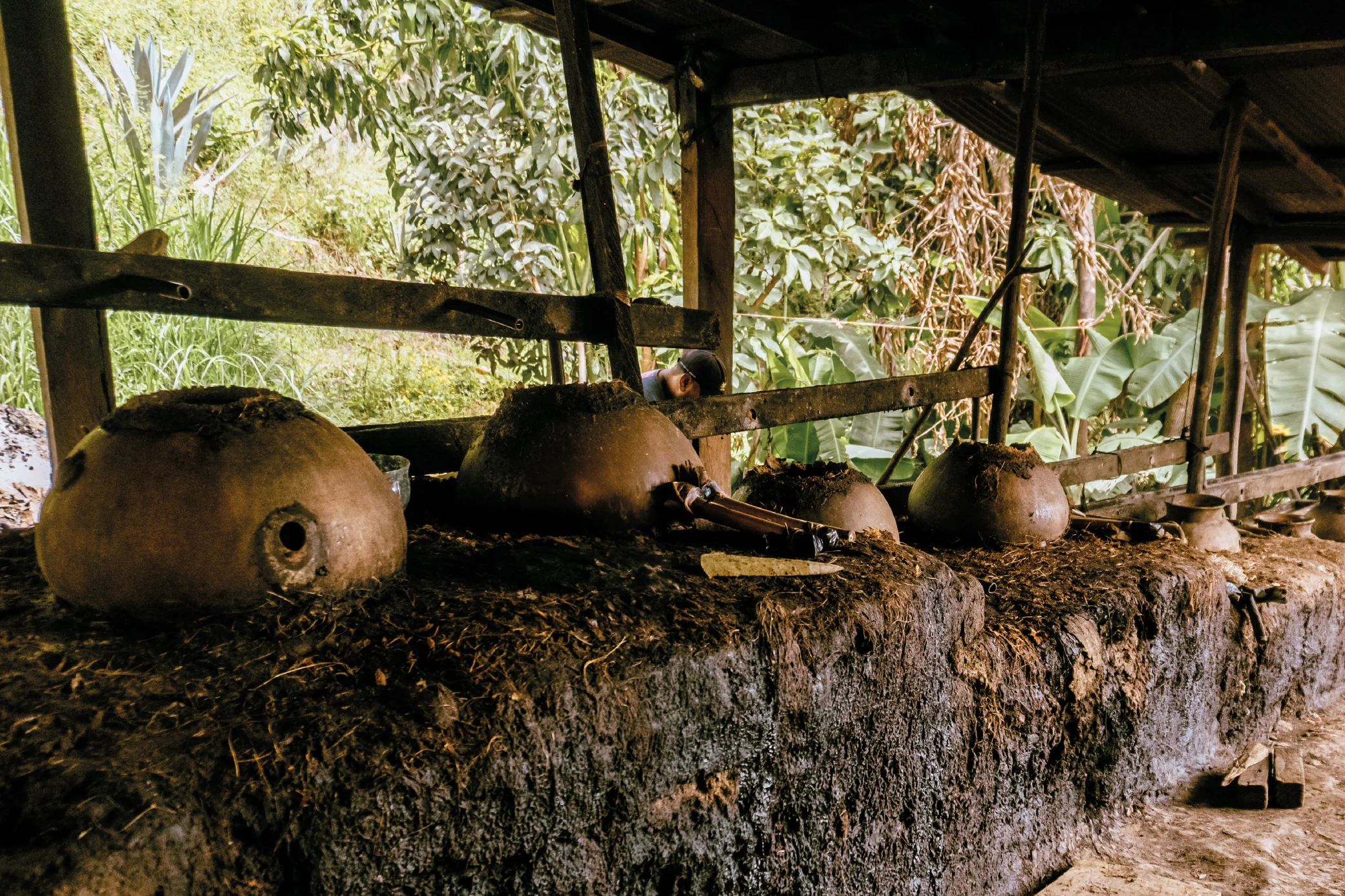
Destilación ancestral en ollas de barro

The Defining Moment

Finally comes distillation. The master mezcal maker oversees each stage, preserving the qualities that make every mezcal unique.

Artisanal mezcal undergoes double distillation in copper stills. Ancestral mezcal is distilled in clay pots, following a technique handed down through generations.
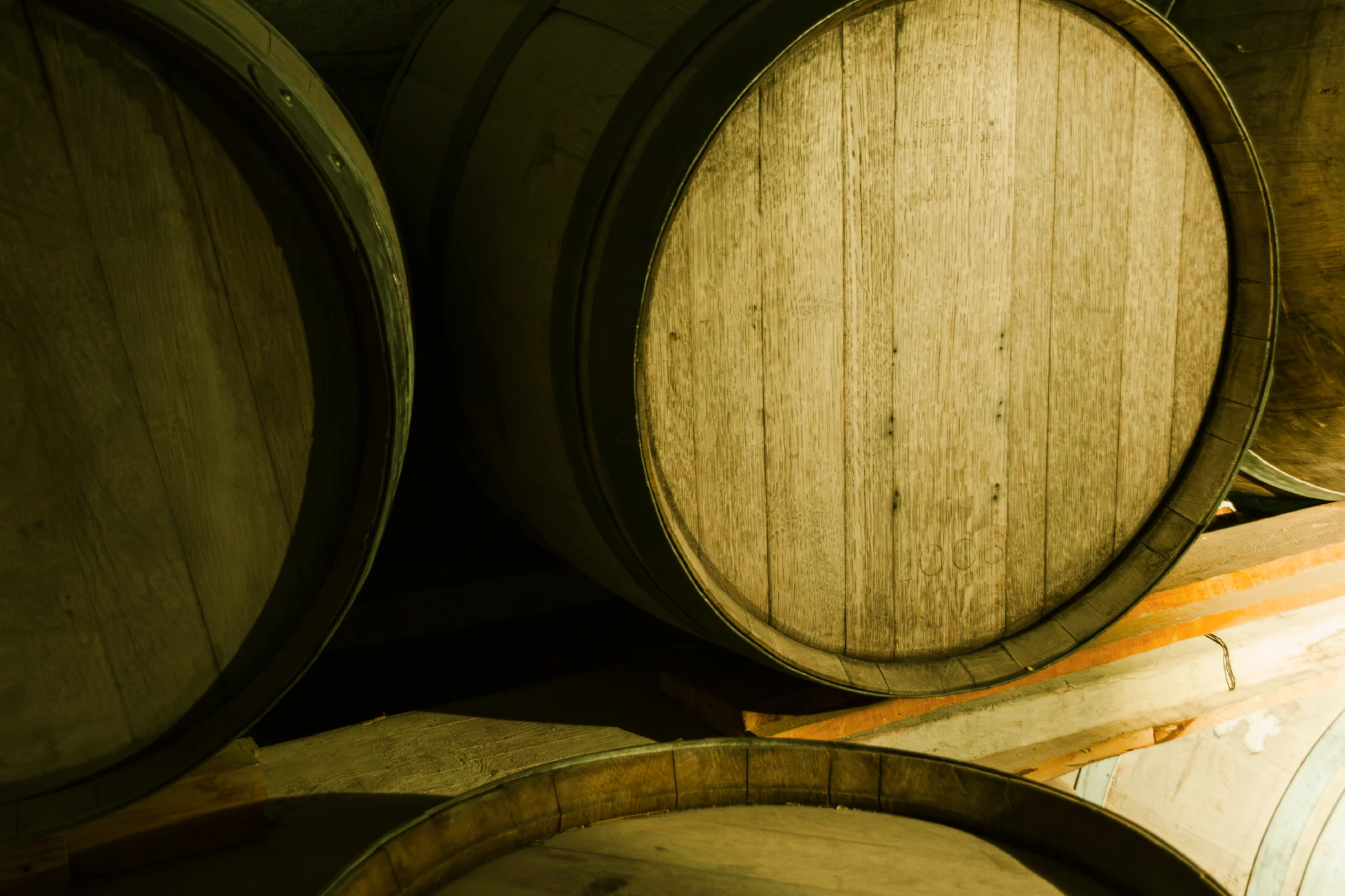
Barricas para añejamiento del mezcal

The Art of Aging

Some expressions continue to evolve in American and French oak barrels, where time adds further layers of aroma, flavor, and character.

Agave de Cortés Reposado rests for at least two months; Agave de Cortés Añejo for one year; and Agave de Cortés Añejo 3 Years for up to three years, making it the most mature expression in the collection.
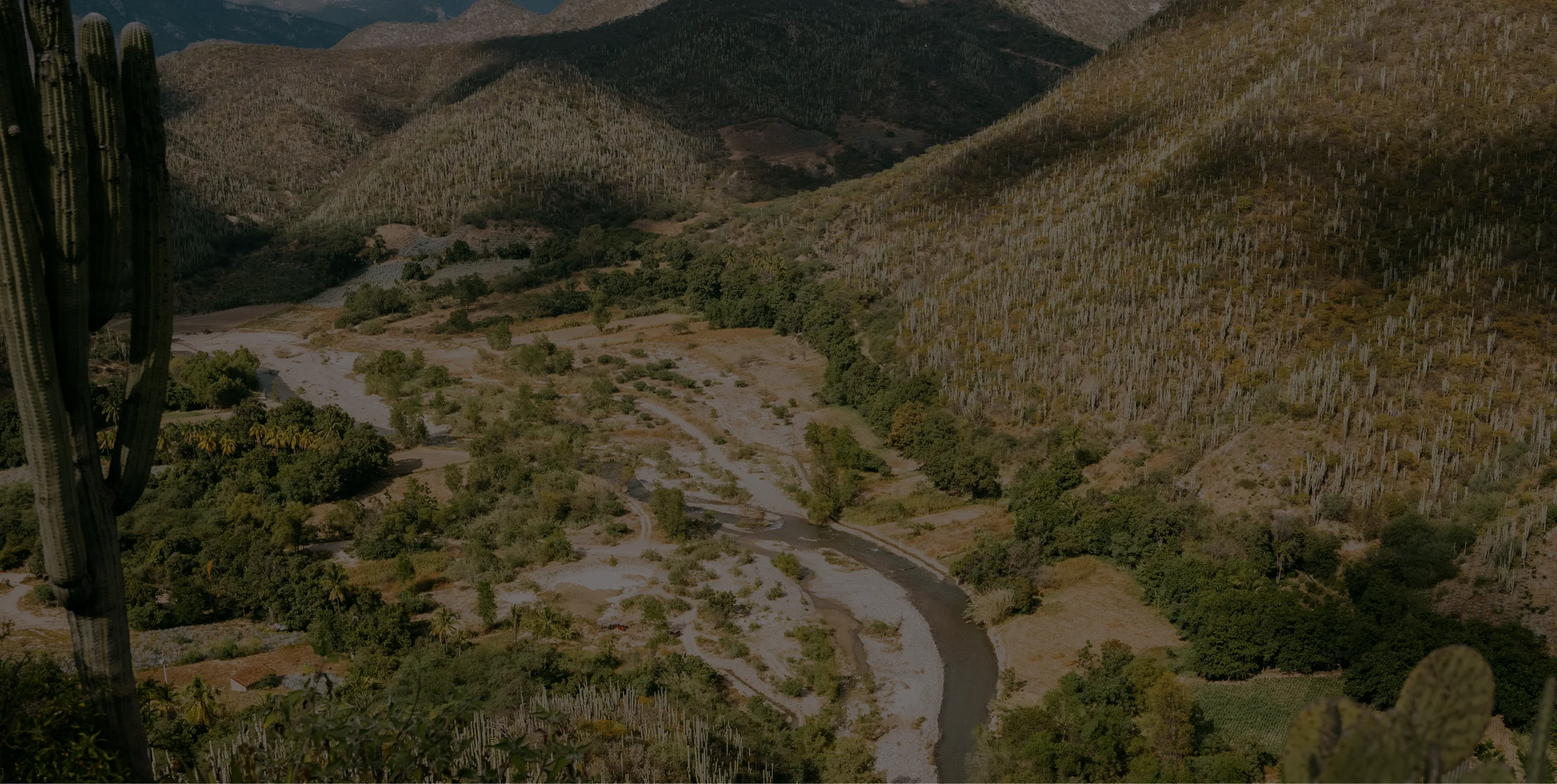
Oaxaca

It All Begins
in Oaxaca.

Meet Our Communities →

Our Origins Are in Oaxaca

Meet the communities, their palenques, and the people keeping mezcal-making knowledge alive.
Santiago Matatlán

Located in Oaxaca’s Central Valleys, Santiago Matatlán is known as the World Capital of Mezcal. Here, agave stands proudly in the fields, embodying ancestral strength before becoming mezcal. Every drop carries the soul of Matatlán, the flavor of its culture, and the echo of its traditions.

San Baltazar Guelavila

Just an hour from Oaxaca City, San Baltazar Guelavila is a land of fertile soils that patiently nurture its agaves. Its semi-arid landscape and mineral-rich earth shape distinctive mezcals full of character and flavor.

Agua del Espino, Ejutla

In the vibrant, fertile lands of Ejutla, Espadín grows alongside Agave Karwinskii, both nourished by the essence of this place. Its generous red soil supports an extraordinary diversity of wild agaves, including Madrecuishe, Barril, and Tobasiche, in a landscape where nature and tradition intertwine.

San Luis del Río

San Luis del Río is a small village with a warm, tropical climate, where lush vegetation meets breezes descending from the Sierra Sur. Bordering Oaxaca’s Central Valleys, it is distinguished by humidity and abundant natural beauty. Here, mezcal takes on unique nuances that reflect the warmth of the land, often revealing fruity notes of green mango or sapodilla.

Santa María Zoquitlán

Where arid and tropical landscapes converge, wild agaves such as Tepeztate and Jabalí thrive, giving rise to exceptional, complex mezcals. The path to the palenque winds through coconut palms, mango, papaya, tamarind, huizache, flamboyant trees, mesquite, and lemon groves. A river descending from the Sierra Sur embraces the village, bringing freshness and fertility.

Río Seco

Regulo Martínez produces his mezcal at a community palenque in Río Seco, a settlement of Santa María Zoquitlán. Here, guelaguetza—the tradition of mutual assistance—remains alive: when one producer begins work, others help with milling, distillation, and the remaining stages. The warm, semi-tropical landscape is rich in mesquite, mango, papaya, citrus, and tamarind. Although mesquite predominates around the palenque, huamúchil and huizache wood are usually used for the oven.

Lachiguí, Miahuatlán

In Lachiguí, Miahuatlán, beside a ravine, lies the Vásquez Ogarrio family ranch, a refuge of mezcal-making tradition. Reaching it along winding trails through remarkable scenery is part of the experience. The palenque sits on the hillside, where water springs directly from the mountain, lending a distinctive minerality to its mezcals.

Gotzengo, Sola de Vega

Nestled in the Sierra Sur mountains, Sola de Vega is a lush green paradise where the journey itself becomes an adventure. In this remote, fertile setting, ancestral mezcal is made, capturing the essence of our roots in every drop. Water comes from mountain springs, bringing purity and character. Wild agaves such as Sierrudo, Coyote, Arroqueño, Tobasiche, and Mexicano grow among the mist and mountain silence.

Francisco Cortés Hernández
Palenque “El As”Francisco Cortés Hernández
Agave de CortésEl Jolgorio
José Javier Cortés Mateo
Palenque “El As”José Javier Cortés Mateo
Agave de CortésEl Jolgorio
Gregorio Martínez Jarquín
Palenque “De Cortés”Gregorio Martínez Jarquín
Nuestra SoledadEl Jolgorio
Ezequiel Ruiz Bautista
Palenque “De Cortés”Ezequiel Ruiz Bautista
El Jolgorio
Gregorio Martínez García
Palenque “3 Mezquites”Gregorio Martínez García
Nuestra SoledadEl Jolgorio
Pablo Vásquez García
Palenque “Don Pablo”Pablo Vásquez García
El JolgorioNuestra Soledad
Agustín Vásquez Ríos
Palenque “Don Pablo”Agustín Vásquez Ríos
Nuestra Soledad
Iván Méndez Ramírez
Palenque “Los Méndez”Iván Méndez Ramírez
Nuestra SoledadEl Jolgorio
Ignacio Parada
Palenque “Zoqui”Ignacio Parada
El JolgorioNuestra Soledad
José Parada Valera
Palenque “Zoqui”José Parada Valera
Nuestra Soledad
Reynaldo Altamirano Hernández
Palenque “Los Altamirano”Reynaldo Altamirano Hernández
El Jolgorio
Regulo Martínez Parada
Palenque “Río Seco”Regulo Martínez Parada
El Jolgorio
Pedro Vásquez Ogarrio
Palenque “Tío Pedro”Pedro Vásquez Ogarrio
El JolgorioNuestra Soledad
Librado Vásquez Martínez
Palenque “Tío Pedro”Librado Vásquez Martínez
Nuestra Soledad
Pedro Vásquez Martínez
Palenque “Tío Pedro”Pedro Vásquez Martínez
Nuestra Soledad
Eustaquio Velasco Ruíz
Palenque “El Platanar”Eustaquio Velasco Ruíz
El Jolgorio
Justina Ruíz Pérez
Palenque “El Platanar”Justina Ruíz Pérez
El Jolgorio
Felipe Velasco Jiménez
Palenque “El Platanar”Felipe Velasco Jiménez
El Jolgorio
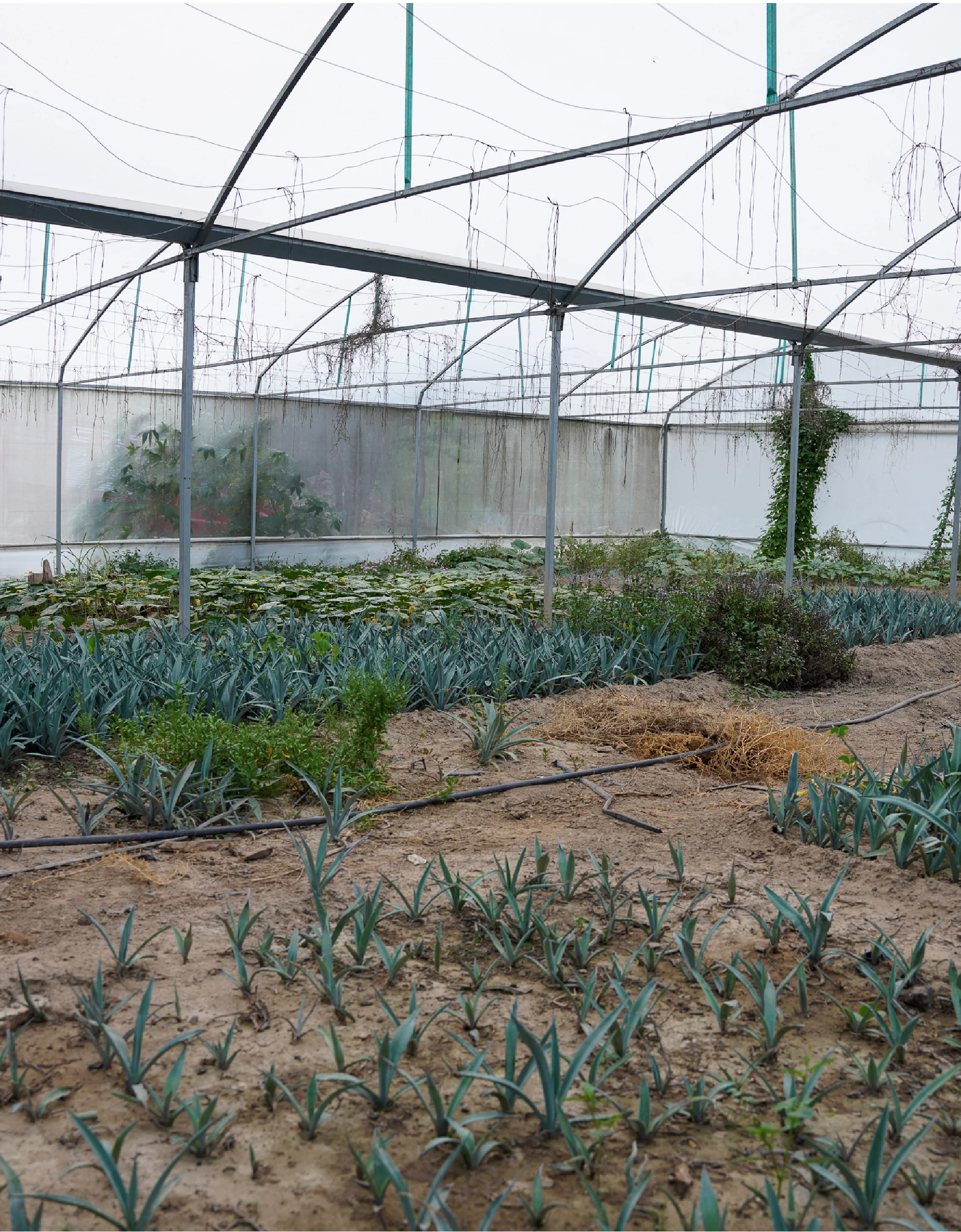
Cultivo de maguey y acciones de sostenibilidad de Casa Cortés

Our Commitment to
Sustainability

At Casa Cortés, sustainability is more than a responsibility: it is a comprehensive social, environmental, and financial commitment that guides everything we do.

We support mezcal-producing families and their communities in meaningful, lasting ways that go beyond financial assistance. One example is the construction of a children’s playground in San Luis del Río, reflecting our commitment to the well-being and future of local families.

We strive to be a model of environmental sustainability, protecting the landscape that nurtures agave so future generations can continue to enjoy Oaxaca’s mezcal heritage and the culture surrounding it.